Solar Energy Solutions in Uganda: How Solar Power Can Reduce Energy Costs
Energy is essential for homes, businesses, farms and institutions. From lighting and refrigeration to computers, pumps, security systems and machinery, reliable electricity supports almost every modern activity.
Solar energy provides an opportunity to generate electricity from sunlight and reduce dependence on conventional power sources.
At JRS Solar Solutions, we design and install solar systems for residential, commercial, agricultural and institutional applications.
What Is Solar Energy?
Solar energy is energy obtained from sunlight.
Solar photovoltaic panels convert sunlight into electricity that can be used to power electrical appliances, equipment and systems.
Depending on the customer’s requirements, a solar installation can operate as:
- An off-grid system
- A grid-connected system
- A hybrid system
- A solar-plus-battery system
How Does a Solar Power System Work?
A typical solar power installation includes several key components.
Solar Panels
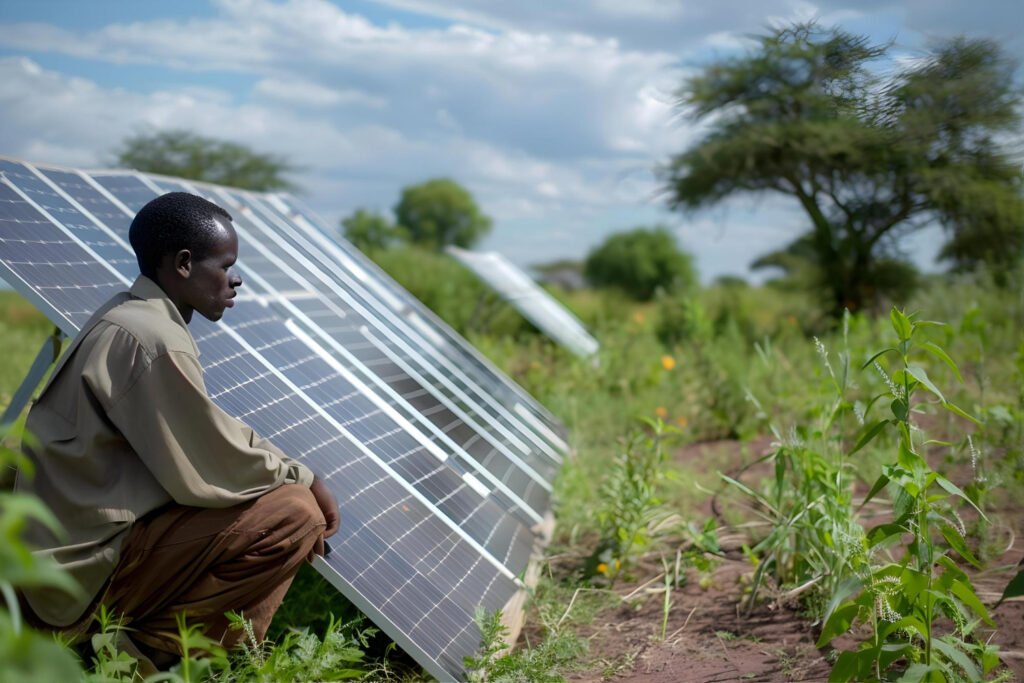
Solar panels capture sunlight and convert it into electrical energy.
Solar Inverter
The inverter converts and manages the electricity so that it can be used by AC appliances and other electrical equipment.
Batteries
Battery storage can store electricity generated by the solar panels for use when solar production is insufficient.
However, not every solar system needs batteries. The appropriate configuration depends on the customer’s objectives and load profile.
Protection Equipment
A properly designed system should also include appropriate electrical protection equipment, isolators, breakers, surge protection and grounding.
Mounting Structure
Solar panels require a secure mounting system designed for the installation location.
Where Can Solar Energy Be Used?
Solar power can support many different applications.
Homes
Residential solar systems can power:
- Lighting
- Televisions
- Refrigerators
- Internet equipment
- Security cameras
- Computers
- Phones
- Small appliances
- Water pumps
Businesses
Businesses can use solar energy for:
- Computers
- POS systems
- Lighting
- CCTV
- Networking equipment
- Refrigeration
- Office equipment
- Internet infrastructure
Farms
Agricultural applications include:
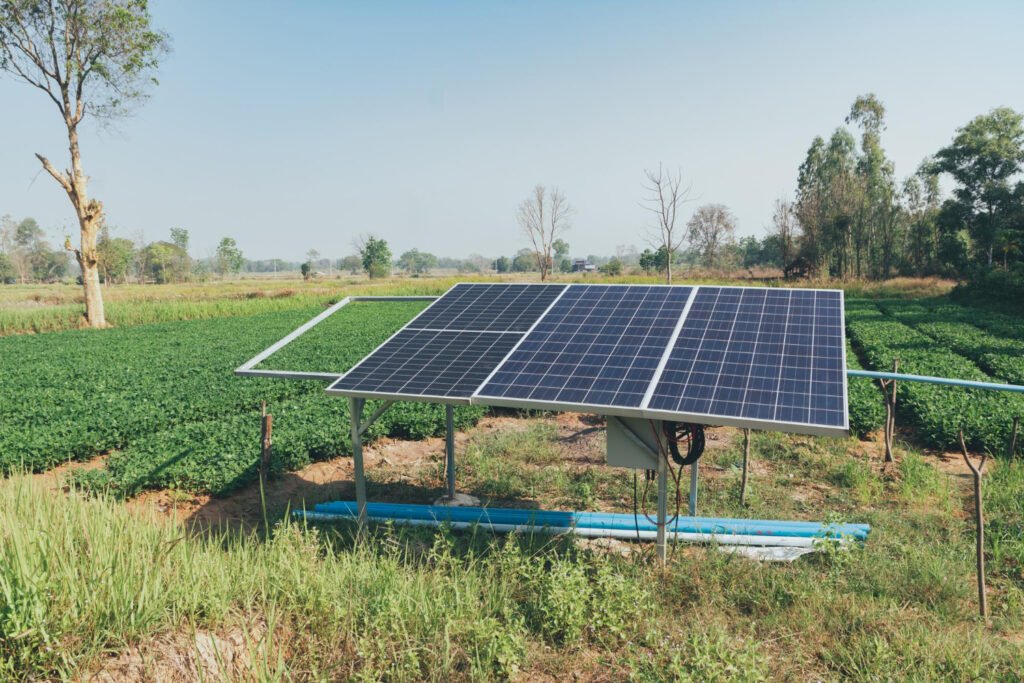
- Water pumping
- Irrigation
- Electric fencing
- Farm lighting
- Security systems
- Refrigeration
- Agricultural processing
Schools and Institutions
Solar systems can provide electricity for:
- Classrooms
- Computer laboratories
- Administration offices
- Lighting
- Security systems
- Water pumping
- Communication equipment
Industrial Applications
Larger solar installations can support commercial and industrial energy requirements when properly designed and engineered.
Benefits of Installing Solar Power
Energy Independence
Solar energy can provide customers with an additional source of electricity and reduce dependence on a single power source.
Reduced Fuel Dependence
For systems replacing diesel or petrol generators, solar energy can reduce the need for fuel during normal operation.
Long-Term Energy Solution
Solar panels are designed for long-term use when correctly installed and maintained.
Backup Power
When combined with batteries, solar systems can provide backup power during grid outages.
Support for Remote Locations
Solar power can be particularly useful for locations where grid electricity is unavailable or difficult to extend.
Solar Systems for Businesses
For businesses, electricity interruptions can result in lost productivity and operational downtime.
A properly designed solar-plus-storage system can help keep essential equipment operating during interruptions.
For example, a business may prioritize:
- Internet equipment
- Computers
- Security systems
- Lighting
- Refrigeration
- Essential machinery
A professional installer can calculate the electrical load and design the system around the equipment that needs to remain operational.
How Much Solar Power Do You Need?
The answer depends on your electricity consumption.
Before installation, JRS Solar Solutions can assess factors such as:
- Number of appliances
- Appliance power ratings
- Hours of daily usage
- Peak electrical demand
- Required backup duration
- Available installation space
- Solar resource
- Existing electrical infrastructure
This information helps determine the required solar panel capacity, inverter size and battery capacity where storage is required.
Solar Installation Is an Engineering Process
Buying solar panels alone does not guarantee a reliable solar system.
The complete installation should consider:
- Electrical load
- Panel orientation
- Shading
- Cable sizing
- Protection
- Earthing
- Inverter capacity
- Battery capacity
- Mounting structure
- Environmental conditions
- Future expansion
Proper design is particularly important for commercial installations because electrical loads can be significantly higher and more complex.
Why Choose JRS Solar Solutions?
JRS Solar Solutions focuses on providing practical solar solutions designed around the customer’s actual requirements.
Our services include:
- Solar system design
- Solar panel installation
- Solar water pumping
- Solar irrigation
- Solar backup systems
- Battery systems
- Solar system maintenance
- Solar system upgrades
- Technical consultation
Whether you need a small residential system or a larger agricultural or commercial installation, the system should be designed according to the specific application.
Solar Energy and Uganda’s Future
Solar energy has an important role to play in expanding access to electricity and supporting productive activities.
Uganda’s national electrification planning recognizes standalone solar technologies, including solar pumps for irrigation, as options for productive use in areas where conventional grid connections may not be suitable.
Solar-powered irrigation is also receiving increasing attention in Uganda as part of climate-resilient agriculture and investment strategies.
Conclusion
Solar energy is no longer limited to basic lighting. Modern solar systems can support homes, businesses, farms, schools, institutions and industrial applications.
The most important step is choosing a system that is correctly sized, professionally installed and suitable for the intended application.
JRS Solar Solutions can help you assess your energy requirements and develop a solar solution designed around your needs.
Start Your Solar Project Today
Contact JRS Solar Solutions for solar system design, installation, maintenance and professional technical advice.
JRS Solar Solutions — Powering a Brighter Future.